
What is Continuous Intelligence?
Continuous Intelligence (CI) is a strategic framework that replaces periodic planning cycles with real-time data streams, AI-driven analytics, and automated decision-making to enable ongoing, adaptive strategy execution.
This guide explains why the annual strategic review is failing modern businesses and how to replace it with a Continuous Intelligence framework. It outlines the four pillars of CI, a three-phase transition roadmap, and the technology needed to embed real-time decision-making into your strategy.
It’s the age of instant data, so why are we still planning for the future using 12-month-old assumptions?
This is the billion-dollar question every forward-thinking CEO and business strategy consultant must face today.
For decades, the Annual Strategic Review has been a cornerstone of enterprise governance, a necessary ritual of PowerPoint decks, budget allocations, and high-level goal setting. But while the market has accelerated to the speed of fiber optics, our primary strategic cycle remains stuck in the pace of the postal service.
This disparity creates the Strategy Disconnect: a massive, slow, and increasingly dangerous gap between real-time data ingestion and mission-critical decision-making. The traditional review is an essential, but ultimately insufficient, artifact. It provides a static snapshot of a dynamic world. Think of it this way: You’re planning a 500-mile road trip through constantly shifting terrain using a single, printed map from a year ago. You’re guaranteed to miss the new construction, the detours, and the opportunities for faster routes.
The solution is not just faster reporting; it’s a fundamental re-architecture of how strategy is executed. We must embrace CI. CI is the shift from retrospective analysis to proactive foresight, embedding real-time decision-making directly into the operational DNA of the business.
Our stance: The transition from the monolithic Annual Strategic Review to an adaptive Continuous Intelligence framework is no longer optional; it is essential to sustain modern competitive advantage.
This guide will show you how to get started with that essential digital transformation.
The Failure Points of the Annual Model
The shortcomings of the annual planning cycle are becoming too costly to ignore, creating a cascade of strategic vulnerabilities:
Data Decay: The Half-Life of Insight
In a world measured by minutes, an insight is only valuable while it is fresh. Market information, competitor launches, shifts in customer sentiment, and supply chain disruptions all operate on accelerated timelines. Relying on data aggregated and analyzed over several months means your strategic decisions are based on lagging indicators. By the time the Annual Review is finalized and the marching orders are given, the competitive landscape has likely changed twice over. This decay of insight leads to strategies that are obsolete by the time they are executed.
Decision Inertia and the High-Stakes Bet
The annual cycle often encourages Decision Inertia. Because strategic alignment requires significant effort and buy-in, companies are frequently hesitant to course-correct between cycles. This hesitancy forces organizations into making massive, high-risk, all-or-nothing bets once a year. When change finally happens, it’s a disruptive, expensive overhaul rather than a series of smaller, continuous, and safer adjustments. The lack of fluidity increases risk and dampens organizational agility.
Internal Misalignment and Silos
Goals set 10 months ago often feel abstract and irrelevant to frontline teams facing current challenges. This leads to Misalignment, where functional silos begin to prioritize short-term reactive firefighting over the long-term, pre-set strategic goals. Marketing chases yesterday’s customer profile; Product builds a feature that the market no longer demands. The company expends immense energy running in place, rather than moving forward cohesively.
The True Cost of Missed Opportunities
Ultimately, the greatest failure is the Cost of Missed Opportunities. When a business is six months late to a new trend, be it a shift in consumer preference, a critical supply chain diversification need, or a competitor’s technological leap, the damage is quantifiable in lost revenue, eroded market share, and a crippling reduction in brand equity. The annual review model guarantees you will be late.
Continuous Intelligence: The New Strategic Imperative
Continuous Intelligence is not merely a tool; it is a strategic mindset shift. It is the sophisticated fusion of real-time analytics with strategic action, ensuring that every operational decision, no matter how small, is immediately informed by the freshest available market data.
Core Technological Components
CI relies on three critical technological components to move from reactive planning to proactive execution:
- Real-Time Data Streams: The shift from antiquated batch processing to dynamic data streaming. This involves integrating high-velocity data sources (IoT sensors, real-time website clicks, social media firehose, transactional logs) into a unified pipeline. The strategy starts here, turning raw information into immediate feedback.
- Augmented Analytics (AI/ML): This is the strategic brain. AI and Machine Learning models constantly monitor data streams, surpassing human capacity. They are tasked with automatically identifying minute anomalies, predicting emerging trends, calculating optimal resource allocation, and flagging critical opportunities that would take human analysts weeks to uncover.
- Automated Feedback Loops: The final, most crucial step. These systems are designed to trigger minor, pre-approved operational changes based on real-time data thresholds. For instance, if CI detects a 5% drop in conversion rate in a specific region, it might automatically increase ad spend efficiency or deploy a localized discount campaign without needing human intervention. This closes the loop between insight and action instantaneously.
CI vs. BI: Proactive Strategy vs. Reactive Reporting
It is vital to distinguish CI from traditional Business Intelligence (BI):
| Feature | Business Intelligence (BI) | Continuous Intelligence (CI) |
| Focus | Retrospective (What happened?) | Proactive (What is happening now & what should we do next?) |
| Data Flow | Batch processing, scheduled reports | Streaming data, real-time dashboards |
| Output | Static reports, historical charts | Dynamic alerts, automated actions |
| Value | Accountability and understanding | Agility and competitive advantage |
If BI helps you understand history, CI enables you to write the future.
Four Pillars of a CI-Driven Strategy
To successfully implement a CI framework, the organization must adopt four fundamental strategic pillars:
Pillar 1: Dynamic Prioritization
The era of the “fixed strategic roadmap” is over. CI demands that strategy is treated not as a document, but as a living, fluid backlog of prioritized initiatives. CI insights enable leadership to reshuffle this backlog weekly or even daily to align with market reality.
The Strategic Benefit: If your CI system instantly flags that a key competitor has launched a new, disruptive feature, resources are automatically and strategically shifted from a low-priority internal optimization project to a defensive R&D launch. This eliminates the strategic lag, ensuring your energy and capital flow continuously to the point of maximum competitive impact.
Pillar 2: Embedded Strategy Owners
Strategy must leave the confines of the executive boardroom. Instead of relying on a centralized planning team, the “strategic review” function is embedded directly with functional leaders across Product, Marketing, Sales, and Operations. These leaders are given ownership and, critically, direct real-time access to data.
The Strategic Benefit: Empowering the people closest to the market, the frontline decision-makers, to interpret and act on the freshest data eliminates bureaucracy and accelerates decision latency. They are no longer waiting for quarterly reviews; they are executing continuous, micro-strategic adjustments every day.
Pillar 3: Short-Cycle Forecasting
CI replaces the rigid, outdated 12-month budget with fluid, adaptable planning cycles. This involves transitioning to rolling 90-day forecasts and highly detailed 30-day tactical plans. The goal is not just to predict, but to achieve a high-velocity feedback loop of iteration and learning.
The Strategic Benefit: By shortening the loop, you significantly reduce the financial risk associated with long-term, fixed resource commitments. It ensures budgets are constantly optimized, moving resources away from underperforming initiatives and into high-growth areas within a single month, not a full quarter.
Pillar 4: Continuous Scenario Planning
A CI-enabled organization moves beyond simple risk mitigation to Continuous Scenario Planning. By leveraging the power of augmented analytics, CI tools run simultaneous “what-if” simulations constantly. These models explore potential disruptions, from supply chain collapse to sudden regulatory changes, allowing the organization to pre-load contingency plans.
The Strategic Benefit: When a Black Swan event or major market shift occurs, the organization doesn’t panic. They consult the CI dashboard, activate a pre-vetted scenario plan, and execute. This preparedness transforms market threats into manageable operational challenges.
A Roadmap for Transition: Phasing Out the Annual Grind
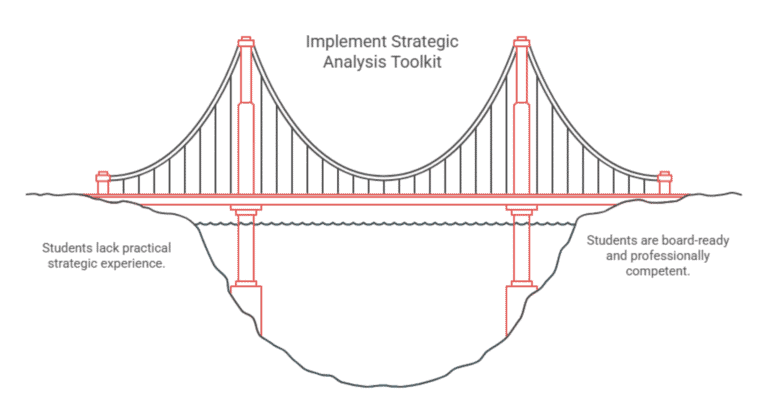
Transitioning from the annual rhythm to a CI framework is a significant digital transformation initiative. It must be approached in measured, deliberate phases to ensure adoption and stability.
Phase 1: Assess and Integrate (3–6 Months)
The focus here is on foundational data unification. Start small, focusing on areas with the clearest ROI:
- Identify the Critical Few: Pinpoint the 3-5 most critical business metrics that require real-time tracking (e.g., customer churn signals, website conversion rate by traffic source, critical inventory buffer levels).
- Centralize the Pipeline: Invest in the infrastructure to integrate these high-velocity data sources into a centralized, accessible, and clean data pipeline.
- Pilot Program: Launch CI on one low-risk, high-value process. For instance, implement an automated dynamic-pricing system for a single product line, or deploy personalized offers based on real-time browsing behavior. This builds internal confidence and proves the concept.
Phase 2: Upskill and Decentralize (6–12 Months)
The shift requires cultural adoption as much as technology deployment:
- Strategic Fluency Training: Train functional teams, not just data scientists, on reading, interpreting, and acting on the real-time CI dashboards. Promote a culture of data curiosity.
- Empowerment: Grant mid-level managers and team leads with small, clearly defined decision-making mandates based on pre-set CI triggers. This decentralization of strategic execution dramatically increases speed and responsiveness.
Phase 3: Operationalize and Scale (12+ Months)
This phase locks in the new rhythm:
- Re-architect the Planning Cycle: Fully re-architect the strategic calendar. Instead of a monolithic annual summit, implement a regular Quarterly Strategic Reset. This is not a complete rebuild, but a high-level check-in to confirm objectives, assess resource allocation, and refine the core strategic North Star, all informed by the last 90 days of CI data.
- Weekly Performance Huddles: Replace lengthy, retroactive reporting meetings with agile, weekly CI Performance Huddles. These short, focused meetings review the automated CI performance dashboards, identify necessary micro-adjustments, and maintain high-speed organizational alignment.
The Competitive Edge of Agility
The Annual Strategic Review, while comforting in its predictability, is a relic of a slower industrial age. In the hyper-competitive digital economy, the ability to sense and respond instantly is the ultimate differentiator.
The payoff for adopting Continuous Intelligence is profound: dramatically increased market agility, optimized resource allocation, proactive risk mitigation, and a massive reduction in the cost of decision latency. You move from playing catch-up to defining the pace of your industry.
Here’s the FAQ section ready to paste into your page:
Frequently Asked Questions
What Is Continuous Intelligence in Business Strategy?
Continuous Intelligence (CI) is a strategic framework that replaces periodic planning cycles with real-time data streams, AI-driven analytics, and automated decision-making. Rather than reviewing strategy once a year, CI embeds ongoing analysis directly into business operations, enabling leaders to sense market changes and respond immediately, rather than waiting for the next planning cycle.
Why Is the Annual Strategic Review No Longer Sufficient?
The annual strategic review was designed for a slower-moving business environment. Today, market conditions, competitor activity, and customer behavior change faster than a 12-month cycle can accommodate. By the time an annual review is finalized and acted upon, the data underpinning it is already outdated. This creates a strategy disconnect between what the business planned for and the reality it now faces.
What Are the Four Pillars of a Continuous Intelligence Strategy?
A CI-driven strategy rests on four pillars. First, Dynamic Prioritization — treating strategy as a living backlog that can be reshuffled as market signals emerge, rather than a fixed annual roadmap. Second, Embedded Strategy Owners; distributing strategic responsibility to functional leaders across the business, not just to a central planning team. Third, Short-Cycle Forecasting; replacing rigid 12-month budgets with rolling 90-day forecasts and 30-day tactical plans. Fourth, Continuous Scenario Planning; using AI-powered simulations to pre-build contingency responses to likely disruptions before they occur.
What Technology Does Continuous Intelligence Require?
CI depends on three core components: real-time data streams that replace batch processing with live feeds from sources such as transactions, web behavior, and supply chain signals; augmented analytics powered by AI and machine learning to surface anomalies and automatically predict trends; and automated feedback loops that trigger pre-approved operational responses when data crosses defined thresholds, closing the gap between insight and action without requiring manual intervention each time.
How Does Continuous Intelligence Reduce Strategic Risk?
By shortening the decision cycle from annually to continuously, CI reduces the financial exposure from long-term, fixed commitments based on stale assumptions. It also enables Continuous Scenario Planning, so the organization has pre-built responses to likely disruptions ready to activate immediately. Rather than making one large, high-stakes annual bet, the business makes many smaller, data-informed adjustments throughout the year, each carrying significantly lower risk.
Is Continuous Intelligence Only Relevant for Large Enterprises?
No. While large enterprises may have more data infrastructure, the principles of CI, shorter planning cycles, real-time performance monitoring, and decentralized decision-making apply to businesses of all sizes. Smaller organizations can start with a single real-time data source and one empowered team, gradually scaling the framework as confidence and capability grow.
Final Thoughts
Don’t wait for your next annual planning cycle to begin this vital transformation. Start by integrating just one real-time data source and empowering one team. The strategy meeting of the future doesn’t happen in a closed-door boardroom; it happens every second, within your operational systems. Your competitive relevance depends on making that shift today.