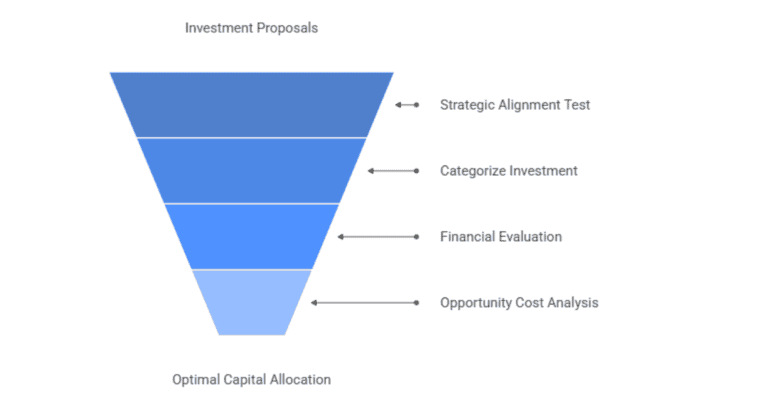

In capital raising, there is a fundamental truth: Investors don’t fund ideas; they fund plans.
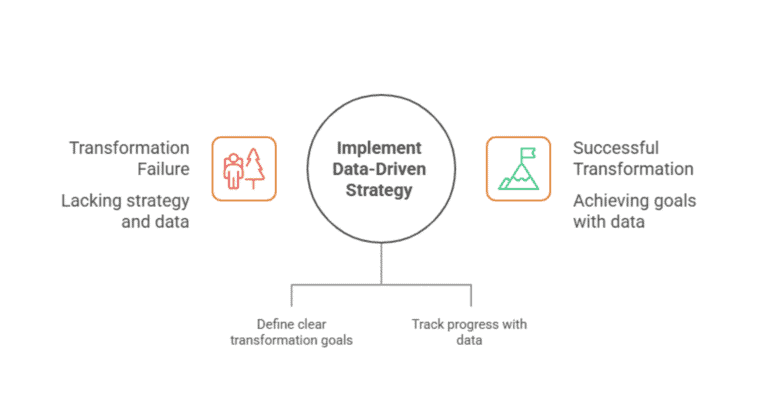
Whether you are a startup seeking seed capital or an established enterprise drafting a sustainability plan to navigate economic volatility, your ask is only as strong as the strategic foundation beneath it. To move from precarious survival mode to robust financial sustainability, you need more than a pitch deck. You need a comprehensive funding strategy rooted in proven business frameworks.
At the Strategic Analysis Toolkit, we’ve seen that the difference between a successful funding round and a rejection often lies in the depth of the analysis. Here’s how to build a funding and sustainability plan that is impossible to ignore.
Phase 1: Mapping the Weather Before Building the Ship
Investors are naturally risk-averse. Before they look at your numbers, they look at your environment.
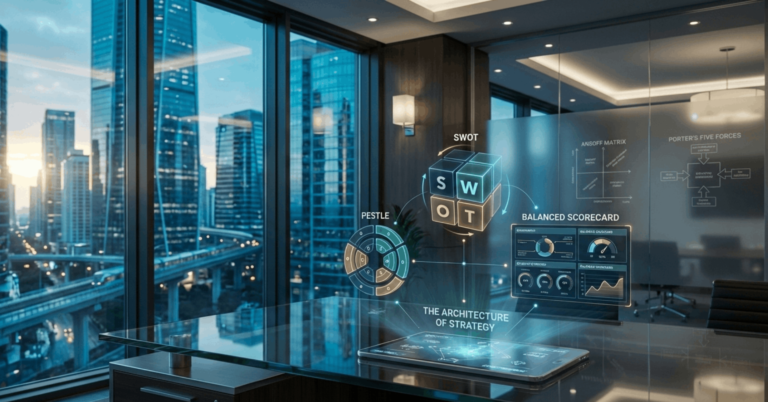
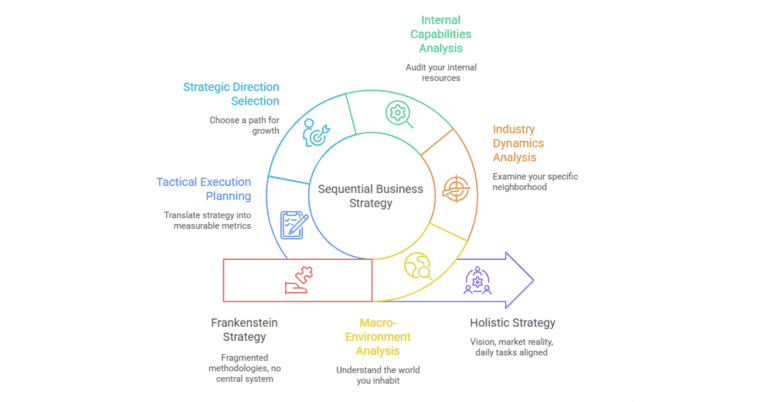
We begin with a PESTLE analysis. By auditing political, economic, social, technological, legal, and environmental factors, you prove to funders that you aren’t operating in a vacuum. You show that you’ve accounted for inflation, regulatory shifts, and emerging technologies.
Once the macro view is set, use Porter’s Five Forces to zoom in on your industry. Are you at the mercy of powerful suppliers? Is the threat of new entrants high? By identifying these forces, you can articulate a strategy that protects your margins, a key indicator of long-term sustainability.
Finally, the Value Chain Analysis is your secret weapon for efficiency. Investors want to see that every dollar they provide is leveraged effectively. By mapping your primary and support activities, you pinpoint exactly where value is added and where waste can be trimmed. This level of operational clarity is the hallmark of a fundable business.
Phase 2: The Strategic Plan
With the environment mapped, you must define your how. This is where many funding plans fall apart because they are too vague.
A standard SWOT analysis is a good start, but it’s just a snapshot. To turn it into a strategy, you need the GOST Framework. By breaking your vision into specific Goals, measurable Objectives, high-level Strategies, and granular Tactics, you provide a planthat a board of directors or a VC firm can follow.
But where will the growth come from? The Ansoff Matrix helps you categorize your growth strategy: are you selling more to existing customers (Market Penetration) or entering entirely new territory (Diversification)? Investors love the Ansoff Matrix because it quantifies risk.
To truly stand out, apply Blue Ocean Strategy. Don’t just tell investors you’re better than the competition; show them how you’re making the competition irrelevant. This differentiation is the ultimate insurance policy for sustainability.
Phase 3: From Theory to Implementation
The most common feedback from unsuccessful funding applicants is: We like the vision, but we don’t see how you’ll execute it.
This is where the TOWS Matrix and TOWS Prioritization come into play. TOWS takes your SWOT data and creates actionable strategies by matching internal strengths with external opportunities. Then, using the Prioritization framework, you show funders that you aren’t trying to do everything at once. You are focusing capital on the high-impact moves first.
To keep stakeholders informed after funding, you must implement a Balanced Scorecard. This isn’t just about financial metrics; it also tracks customer satisfaction, internal processes, and learning and growth. It’s a holistic dashboard that shows in real time whether your sustainability plan is working.
Phase 4: Making the Strategy Stick
Funding often requires change, new hires, new technology, and new markets. Without a plan for change, the strategy fails. Kotter’s 8-Step Plan provides the structural integrity needed to lead your team through these transitions, from creating a sense of urgency to anchoring new approaches in the corporate culture.
Sustainability is not a one-and-done document; it is a living process. By embedding the PDCA Cycle (Plan-Do-Check-Act) into your operations, you demonstrate to investors your commitment to continuous improvement. This shows you are an agile organization that can pivot based on data, ensuring their investment remains secure for the long haul.
Secure Your Future Today
Building a 1000-word funding strategy is easy; building one that actually works requires rigorous analysis. Manually navigating these frameworks (PESTLE, Porter’s, GOST, and TOWS) can take weeks of precious time that should be spent growing your business.
The Strategic Analysis Toolkit was built to solve this. Our platform provides a streamlined, professional environment for executing all of these critical frameworks with precision. Instead of fighting with spreadsheets and fragmented documents, you can generate a cohesive, investor-ready strategic plan in a fraction of the time.
Ready to turn your funding strategy into reality? Explore the Strategic Analysis Toolkit and build your sustainability plan today.